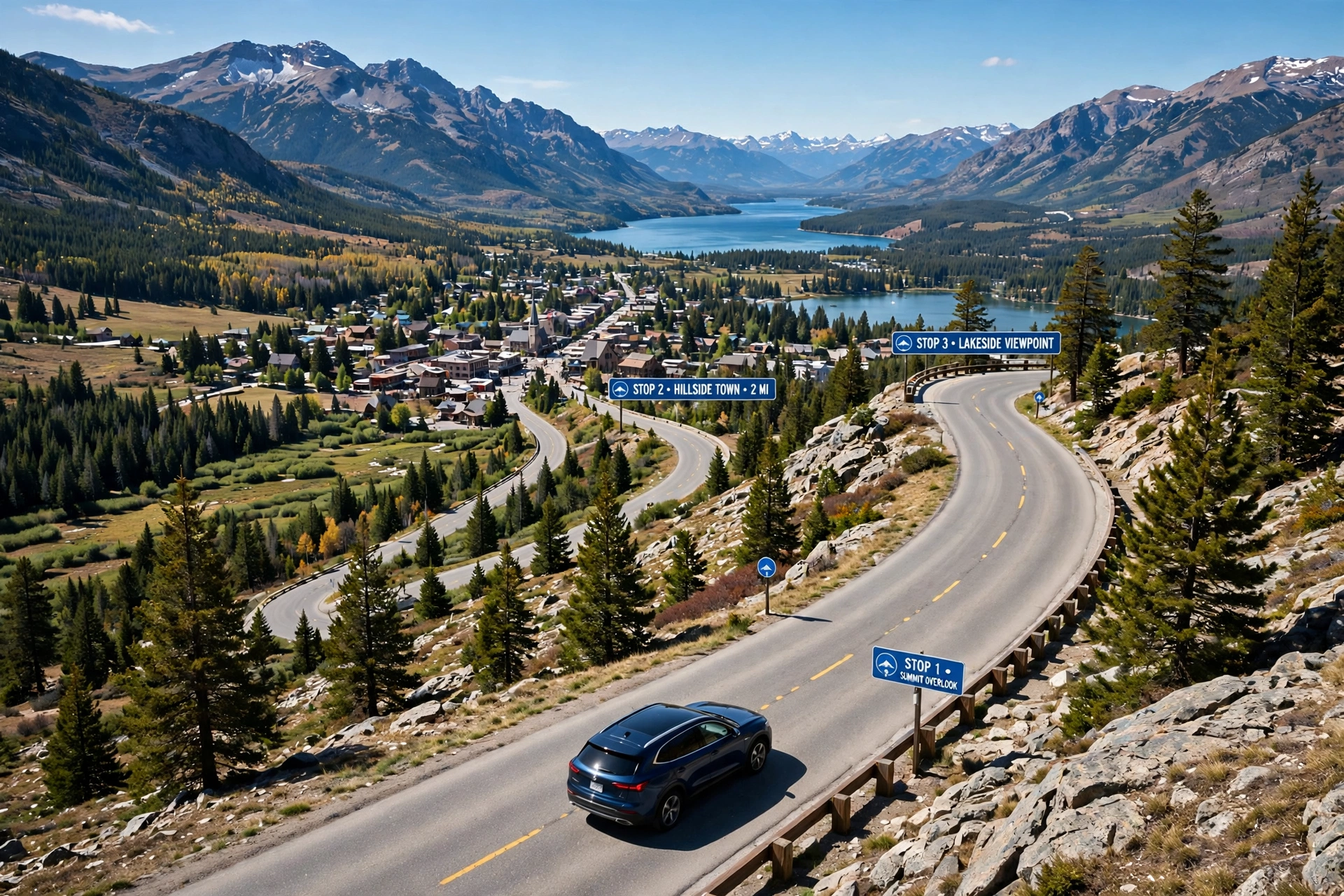


Picture yourself standing on the stone walls of Kotor as the evening light turns the Bay of Kotor gold. Below you, red roofs crowd around a medieval old town; behind you, steep mountains rise straight out of the water. That first view explains why so many travellers put Montenegro at the top of their Balkan list: it is small enough to explore in a few days, yet packed with fjord-like bays, mountain parks, old towns and beaches.
This guide covers the best places to visit in Montenegro, from the famous coast to the quieter mountains inland, plus practical advice on when to go and how to get around.
Kotor and the Bay of Kotor
Kotor is the place most visitors start, and for good reason. Its old town is a UNESCO World Heritage site, a maze of cobbled lanes, small squares and Venetian-era buildings enclosed by old city walls. Climb the fortress steps above the town for the classic view over the bay, wander the lanes in the early morning before the cruise crowds arrive, and stop for seafood in one of the family-run restaurants near the water.
The wider Bay of Kotor rewards a slow drive or boat trip. Perast, a short ride from Kotor, is a quiet baroque village with elegant stone palaces and two small island churches offshore, including Our Lady of the Rocks, which you can reach by boat. Herceg Novi, at the mouth of the bay, is livelier and greener, with a promenade made for an evening walk.
Budva and the Budva Riviera
If Kotor is about history, Budva is about energy. Its old town sits on a small peninsula, with narrow streets, a citadel and views along the coast, while just outside the walls you will find beaches, bars and a busy marina. The Budva Riviera stretches south past Becici and Rafailovici, where long sandy beaches suit families and anyone who wants a classic beach holiday.
Just south of Budva, the island village of Sveti Stefan is one of Montenegro’s most photographed sights. You cannot wander freely through the island resort itself, but the viewpoint from the coast road and the public beach beside it are well worth the stop.
Durmitor National Park and the Mountains
Inland, Durmitor National Park offers a completely different Montenegro. Around the town of Zabljak, you can hike in summer, raft the Tara River Canyon — one of the deepest canyons in the world — and in winter ski on modest, uncrowded slopes. Biogradska Gora, another national park further east, protects one of Europe’s last primeval forests around a glacial lake, and is ideal for gentle walks and birdwatching.
Lovcen National Park, above Kotor, is the easiest mountain escape if you are based on the coast. The winding road up to the Njegos Mausoleum at the summit gives panoramic views over the bay and, on a clear day, across much of the country.
Cetinje and the Old Royal Capital
Cetinje, Montenegro’s former royal capital, is a small town with an outsized history. Its museums, former embassies and the Cetinje Monastery tell the story of a tiny mountain kingdom that held its own against much larger neighbours. Combine it with a drive over Lovcen for a full day out from the coast, and stop in the village of Njegusi on the way for the region’s famous smoked ham and cheese.
Ulcinj and the Southern Coast
South of Budva, the coast grows quieter and more spacious. Ulcinj, near the Albanian border, has a long sandy beach — Velika Plaza — that stretches for miles and suits kitesurfers, families and anyone who prefers space to crowds. Its old town, perched above the sea, has an Ottoman-era feel quite different from the Venetian towns further north.
Ostrog Monastery and Lake Skadar
Two inland sights round out a first trip. Ostrog Monastery, built into a sheer cliff face, is one of the most visited pilgrimage sites in the Balkans and an extraordinary sight even for non-religious visitors. Lake Skadar, shared with Albania, is the largest lake in the Balkans and a haven for birds, best explored by a short boat trip from the village of Virpazar, with stops for local wine tasting along the way.
When to Visit and Getting Around
Late spring and early autumn are the sweet spots: May, June, September and early October bring warm weather, swimmable seas and far fewer crowds than July and August. Winter suits mountain visitors heading to Zabljak, while the coast is quiet and many seasonal businesses close.
A car gives you the most freedom, especially for the mountain roads and Lake Skadar, but buses connect the main coastal towns and day trips from Kotor and Budva are easy to arrange. If Montenegro is one stop on a wider trip, our guide to the best places in Europe to visit can help you plan the rest of your route.
FAQ
How many days do you need in Montenegro? Four to five days covers Kotor, Budva and one mountain or lake day trip comfortably. A week lets you add Durmitor and Ulcinj without rushing.
Is Montenegro good for families? Yes. The beaches around Budva and Ulcinj, the boat trips on the Bay of Kotor and Lake Skadar, and the gentle walks in Biogradska Gora all work well with children.
Do you need a car in Montenegro? Not necessarily on the coast, where buses and boat trips cover the main sights, but a car makes the mountains and Lake Skadar much easier to reach.
Final Thoughts
Montenegro earns its reputation the honest way: a compact country where a morning in a medieval old town, an afternoon on a beach and a sunset over a mountain lake can all fit into a single day. Start with Kotor and Budva, add at least one mountain or lake escape, and travel in the shoulder season if you can — that is when this small Balkan gem shows its best side.