
Picture yourself standing on a wide beach at sunset, a sea stack rising out of the surf in front of you, and behind you a forested headland that smells of salt and pine. That is an Oregon summer — and the honest answer to “the best place to visit in Oregon during summer” is that it depends on the trip you want. The coast suits beach days and tide pools, Crater Lake suits pure scenery, the Columbia Gorge suits waterfalls, Bend suits adventure, and the Willamette Valley suits slow wine-country afternoons. This guide covers all of them so you can pick the one that fits.
The Oregon Coast: Cannon Beach, Newport, and the Dunes
The coast is the classic Oregon summer trip. Cannon Beach is the postcard stop — Haystack Rock at low tide, when tide pools fill with starfish and anemones, and the town’s galleries and cafes a short walk from the sand. Further south, Newport pairs a working bayfront with the Oregon Coast Aquarium and the Yaquina Head lighthouse, one of the most photographed on the coast. Between Florence and Coos Bay, the Oregon Dunes stretch for miles of sand that you can explore on foot or on a guided dune-buggy tour. For a closer look at the central coast, see our guide to places to visit near Lincoln City, Oregon. Expect cool air even in July — the ocean keeps coastal temperatures in the 60s Fahrenheit — so pack a light jacket alongside your sunscreen.
Crater Lake National Park
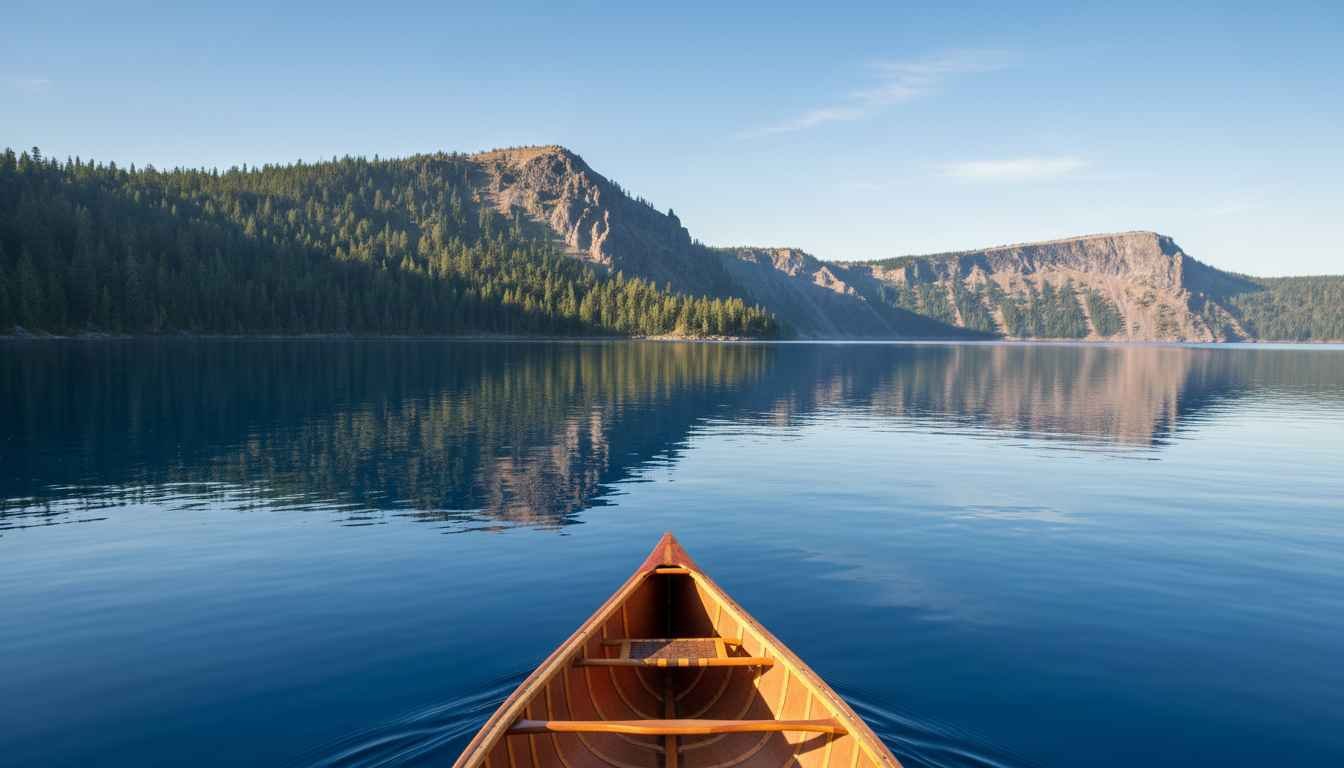
Crater Lake is the deepest lake in the United States, and in summer its water turns an intense blue that photographs barely do justice to. The Rim Drive loop opens fully once the snow clears, usually by mid-July, and the viewpoints along it — Watchman Overlook, Cloudcap, and the lodge — each show a different face of the lake. Wizard Island, the small volcanic cone rising from the water, is reachable by boat tour in summer. If you visit in June or early July, check road conditions first: snow can linger on the rim long after the valleys have warmed up.
Columbia River Gorge and Multnomah Falls
East of Portland, the Columbia River Gorge cuts a deep canyon between Oregon and Washington, and summer is the best season to explore it. Multnomah Falls, the tallest waterfall in Oregon, is the famous stop, but the Historic Columbia River Highway holds a string of smaller falls — Latourell, Wahkeena, Horsetail — that are often quieter and just as pretty. The gorge is also a windsurfing centre around Hood River, where the steady summer wind draws sailors from around the world. In the driest weeks, timed-entry permits may apply at the busiest trailheads, so check before you go.
Bend and Central Oregon
Bend, on the dry eastern side of the Cascades, is Oregon’s adventure base. Summer brings mountain biking on the Phil’s Trail network, kayaking and paddleboarding on the Deschutes River, and hiking up to alpine lakes in the Three Sisters Wilderness. The town itself has a relaxed, outdoorsy feel, with breweries, food carts, and a riverfront park where locals float the river on summer afternoons. From Bend, the Cascade Lakes Highway makes an easy scenic drive past a chain of mountain lakes.
Willamette Valley Wine Country
If your ideal summer day involves a vineyard terrace rather than a trail, head to the Willamette Valley, south of Portland. The valley is best known for Pinot Noir, and its small, family-run wineries are generally welcoming to visitors, with tasting rooms in McMinnville, Dundee, and Newberg. The rolling hills, farm stands, and small-town restaurants make it an easy two-day trip on its own — or a relaxing finish after a week of hiking and coast driving.
Portland as a Base
Portland works well as a start or end point. Its food-cart pods, Saturday market, and neighbourhoods like the Pearl District and Alberta Arts District reward a day or two of wandering, and the city sits within two hours of the coast, the gorge, and the wine valley. If you are flying in, Portland International Airport is the main gateway, and a rental car is the practical way to reach everything beyond the city.
Practical Tips for a Summer Trip
July and August are the driest, warmest months, but also the busiest — book lodging on the coast and at Crater Lake well ahead. Wildfire smoke can drift into the Cascades and southern Oregon in late summer; check air quality and fire conditions before a backcountry trip. Layers are essential: a summer day can start foggy and cool on the coast and end hot and dry inland. And give yourself time — Oregon rewards slow driving, with viewpoints, farm stands, and short trails at almost every turn. If you are weighing a summer trip on the other side of the country, our guide to the best places to visit on the East Coast in summer covers the Atlantic side.
FAQ
- What is the best time in summer to visit Oregon?
July and August offer the driest weather and the most open roads and trails, including Crater Lake’s Rim Drive. June can be lovely on the coast but snow may still block high-elevation routes.
- Is the Oregon coast warm enough to swim in?
The water stays cold all summer, usually in the 50s Fahrenheit. Most people wade, surf in wetsuits, or enjoy the beach from the sand rather than swimming.
- How many days do I need for an Oregon summer trip?
A week covers the coast, the gorge, and either Crater Lake or Bend comfortably. With five days, pick the coast plus one inland region rather than rushing through everything.
- Can I visit Crater Lake in June?
You can visit, but the full Rim Drive may still be closed by snow early in the month. Check the park’s current road status before planning your route.
Final Thoughts
Oregon in summer is not one destination but several — a cold, wild coastline, a volcanic lake of impossible blue, waterfall canyons, high-desert adventure, and quiet wine country, all within a few hours’ drive of each other. Pick the region that matches your mood, leave room in the schedule for the viewpoints you will stumble on by accident, and pack a jacket. The coast will be cooler than you expect, and that is part of its charm.