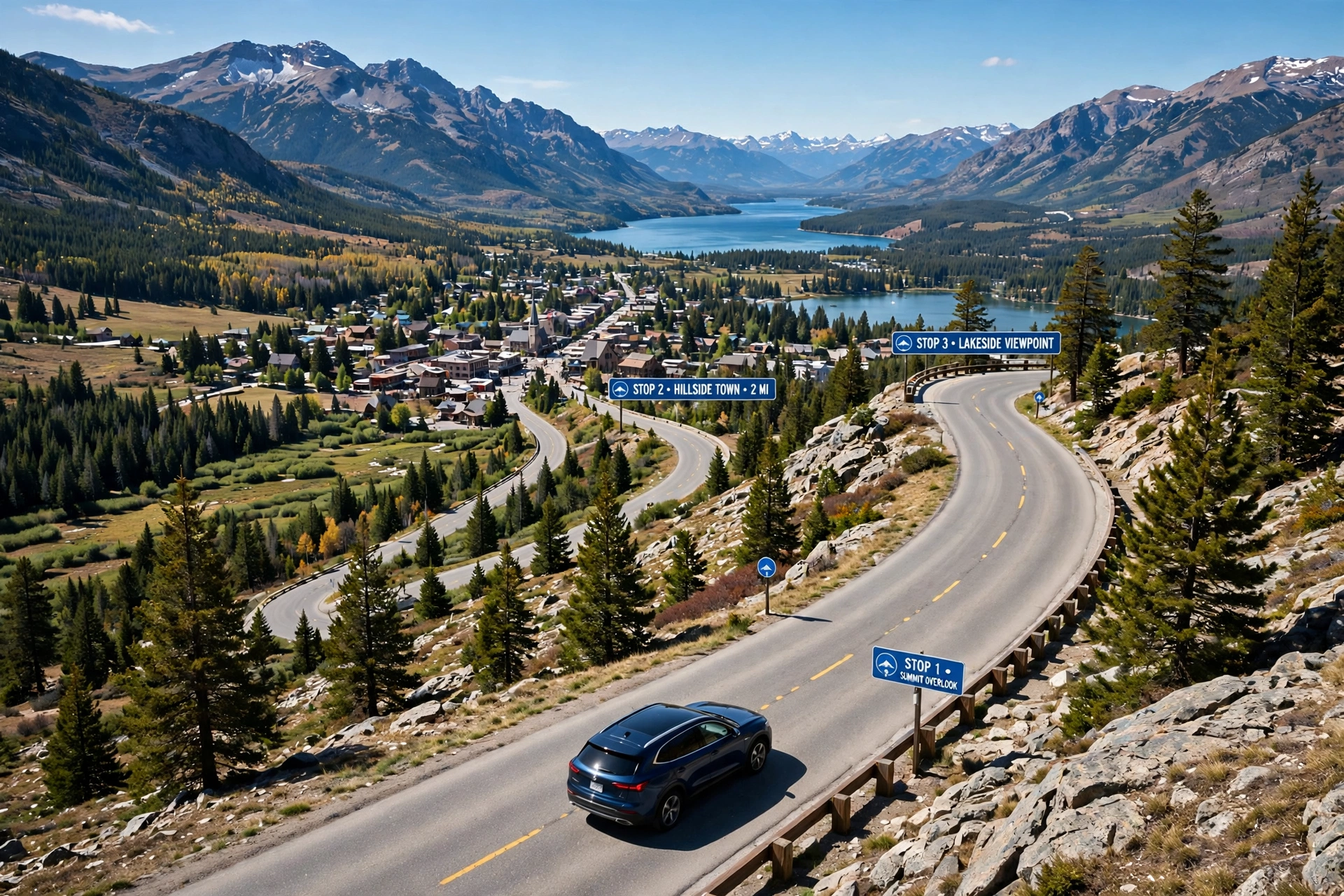


Imagine stepping off the train into a valley of green fells and still water, with a stone village ahead and a lake stretching into the distance. That is the Lake District in a nutshell: England’s largest national park, a landscape of lakes, mountains and literary villages that has drawn walkers, poets and holidaymakers for more than two centuries.
This guide covers the best places in the Lake District to visit, whether you are here for serious hiking, gentle lakeside walks, or a slow weekend of villages, cafes and views.
Lake Windermere and Bowness-on-Windermere
Lake Windermere is the longest lake in England, stretching for more than ten miles, and it is the natural starting point for a first visit. Bowness-on-Windermere, on its eastern shore, is the busiest lakeside town, with boat cruises, lakeside walks and plenty of places to eat. Take a cruise the full length of the lake, or walk up Orrest Head just outside Windermere town for a panoramic view that has been impressing visitors since Victorian times.
On the western shore, the quieter village of Hawkshead and the lake at Coniston offer a calmer alternative, with the Coniston fells rising behind the water and the Ruskin Museum telling the story of the area’s artistic heritage.
Keswick and Derwentwater
Keswick, on the northern shore of Derwentwater, is the Lake District’s walking capital. It is a friendly market town with outdoor shops, cafes and a theatre, and it makes an ideal base for exploring the northern fells. From here you can walk the lakeshore path around Derwentwater, take a launch across the lake, or climb Skiddaw, one of the area’s highest and most rewarding peaks.
Nearby, Castlerigg Stone Circle — a Neolithic circle set against a backdrop of mountains — is one of the most atmospheric ancient sites in England and is free to visit at any time.
Grasmere and Wordsworth Country
No Lake District trip is complete without Grasmere, the village William Wordsworth called the loveliest spot that man hath ever found. Dove Cottage, where Wordsworth lived with his sister Dorothy, is now a museum, and the Wordsworth Museum next door tells the story of the Romantic poets who made this landscape famous. The village itself is small and walkable, with the famous gingerbread shop, a lakeside walk around Grasmere water, and easy paths into the surrounding fells.
Just south of Grasmere, Rydal Water and Rydal Mount — Wordsworth’s later home — continue the literary trail, with the wooded walk to Rydal Cave a favourite short outing.
Ambleside and Rydal Water
Ambleside sits at the northern tip of Lake Windermere and works well as a base between the central lakes. It has a good range of cafes, bookshops and outdoor shops, and from here you can walk to Stock Ghyll Force waterfall, to Rydal Water, or up to the viewpoint at Loughrigg Fell for views over Grasmere and Windermere.
The town’s small Bridge House, a tiny seventeenth-century building perched over Stock Beck, is one of the most photographed buildings in the Lake District.
Hawkshead and Beatrix Potter Country
Hawkshead is a beautifully preserved village of whitewashed cottages and narrow lanes, and the home of the Beatrix Potter Gallery. Potter lived nearby at Hill Top Farm, now preserved much as she left it, and the surrounding countryside — including Esthwaite Water and the woods at Tarn Hows — inspired many of her tales. Hawkshead is quieter than Bowness or Ambleside, which makes it a lovely place to slow down for an afternoon.
Ullswater and the Quieter Lakes
If the central lakes feel busy, head east to Ullswater, often called the most beautiful lake in the District. The steamer boats that run its length are a classic experience, and the walk to Aira Force waterfall is an easy, rewarding outing. Ullswater is also the starting point for Helvellyn, one of the great Lake District climbs, reached by the famous Striding Edge ridge for experienced walkers.
When to Visit and Getting Around
Late spring and early autumn are the best times for walking, with long days, green fells and fewer crowds than the summer holidays. Winter brings a quieter, moodier beauty, but be prepared for short days and changeable weather on the high fells.
You can reach the Lake District by train to Windermere or Oxenholme, and buses link the main towns, but a car makes the quieter valleys much easier to reach. If you are travelling without a car, our guide to places to visit in the UK by train from London includes rail-friendly routes that pair well with a Lake District trip.
FAQ
What is the best base in the Lake District? Keswick suits walkers, Bowness suits lake cruises and families, and Ambleside or Grasmere suit a quieter, more central stay. All are well connected by bus.
Is the Lake District good for families? Yes. Boat trips, lakeside paths, the stone circle at Castlerigg and the Beatrix Potter attractions all work well with children, and many fells have gentle lower routes.
Do you need a car in the Lake District? Not for the main towns and lakes, which buses serve well, but a car helps for remote valleys like Eskdale and Wasdale.
Final Thoughts
The Lake District rewards both kinds of visitor: the walker who wants a full day on the fells and the traveller who wants a gentle lakeside weekend. Base yourself in one town, mix a big lake day with a village day, and leave time for at least one literary stop — Wordsworth and Potter understood this landscape, and their villages still explain why.