
Southern Sardinia is the quieter half of Italy’s second-largest island — and often the better half. The capital, Cagliari, pairs a hilltop old town with a long city beach. The coast south and east of it has some of the clearest water in the Mediterranean. And behind the beaches sits a landscape of ancient stone towers, vineyards and small towns that have barely changed in decades. Here is how to explore it.
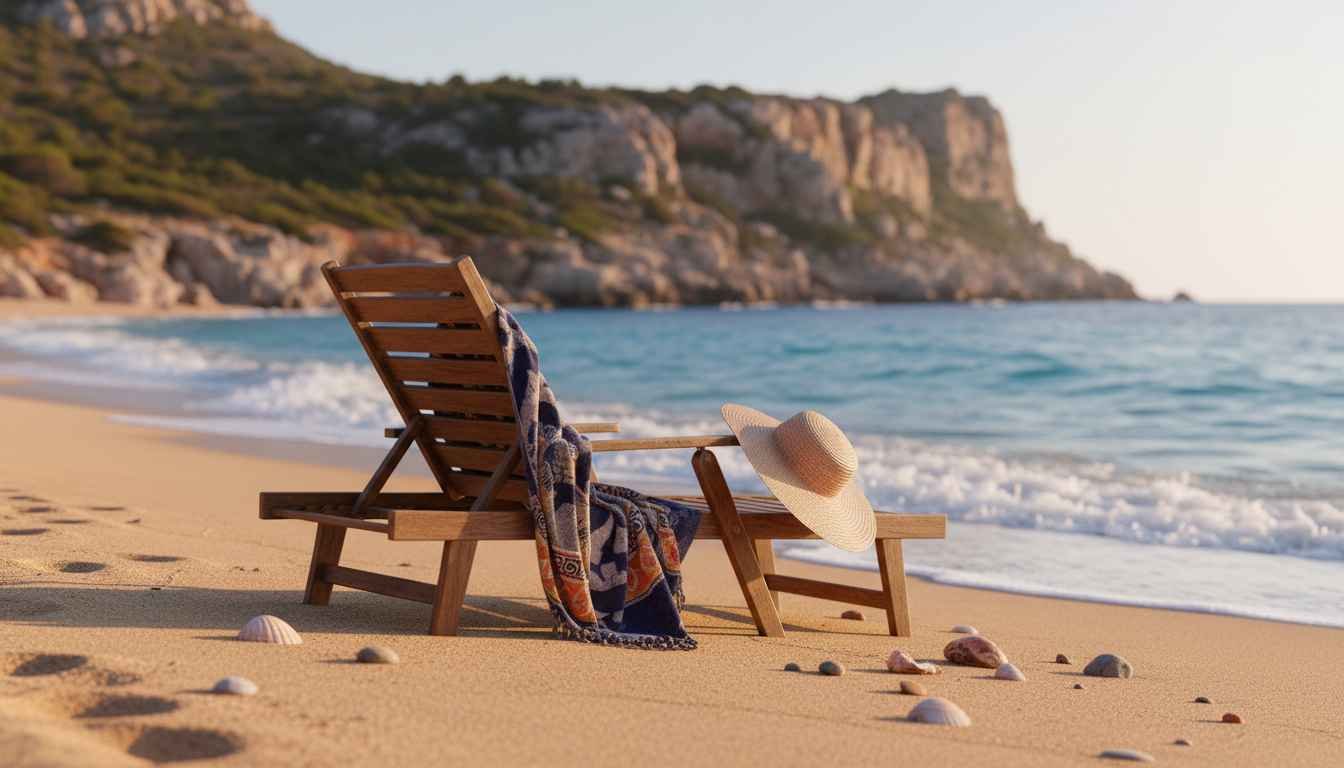
Cagliari: The Capital of Southern Sardinia
Cagliari is the obvious base for the south, and it earns it. The old town, Castello, sits on a hill above the port, with narrow lanes, the cathedral, and the Bastione di Saint Remy, a terrace with panoramic views over the city and the sea — best visited at sunset. Below it, the Marina district has restaurants and cafés, and the Poetto beach stretches for miles along the coast, with a promenade that locals use for evening walks and cycling.
The city’s Roman amphitheatre, carved into the hillside, and the archaeological museum, which holds finds from across the island, are worth a morning. Just outside the city, the Molentargius salt pans are a haven for flamingos, which can often be seen feeding in the shallow lagoons.
Villasimius and Costa Rei: A Coastal Paradise
East of Cagliari, the coast turns into a run of white-sand beaches and clear water. Villasimius is the main resort town, with a small harbour, a choice of beaches — Simius and Porto Giunco among them — and a protected marine area that makes it one of the best snorkelling and diving spots in Sardinia. The Notteri lagoon, behind Porto Giunco beach, is another flamingo site in the right season.
Further north along the same coast, Costa Rei is quieter and more spread out, with a long beach and holiday homes rather than hotels. It suits families and anyone who wants a slow beach holiday with little to do but swim, walk and eat well.
Pula and Nora: A Historical and Cultural Treasure
South-west of Cagliari, the town of Pula is the gateway to Nora, one of the most important archaeological sites in Sardinia. Nora was a Phoenician city, then a Roman one, and its ruins — streets, a theatre, baths and mosaics — sit right on the coast, with the sea visible from the site. The small museum in Pula holds finds from the excavations and helps make sense of what you are looking at.
Pula itself is a pleasant small town with restaurants and a weekly market, and the beaches nearby, including Santa Margherita di Pula, are wide and sandy. It makes a good alternative base to Cagliari if you prefer a quieter stay.
Chia and the South-West Coast
Further west, Chia is a string of beaches backed by dunes and a lagoon, with water so clear it is often compared to the Caribbean. The beaches — Su Giudeu, Cala Cipolla and others — are among the best in Sardinia, and the area stays much quieter than the east coast resorts. The Phoenician ruins of Bithia sit on a small island just offshore, reachable on foot at low tide.
Behind the coast, the island of Sant’Antioco and the town of Carloforte, settled by Ligurian fishermen centuries ago, offer a different flavour of Sardinian life — and some of the best seafood on the island.
The Nuraghe: Sardinia’s Ancient Stone Towers
No trip to southern Sardinia is complete without understanding the nuraghe — the Bronze Age stone towers that are unique to the island, with thousands scattered across the landscape. The most famous, Su Nuraxi di Barumini, is a UNESCO World Heritage site about an hour’s drive north of Cagliari, and it makes an excellent day trip from the south: a guided tour of the central tower and the surrounding village brings the ancient civilisation to life.
Smaller nuraghe are visible all over the southern countryside, often standing alone in fields or on hilltops. They are a reminder that Sardinia’s history runs far deeper than the Roman ruins and medieval towns most visitors come for.
Planning Your Trip to Southern Sardinia
A car is almost essential in the south — buses are infrequent, and the best beaches and archaeological sites are spread out along the coast. Fly into Cagliari, which has direct flights from several European cities, and base yourself there or in Pula for a week. Late spring and early autumn are the best seasons: warm enough to swim, with far fewer visitors than July and August. The food is a highlight — try culurgiones (stuffed pasta), fregola with seafood, bottarga, and the local Cannonau red wine. If you are building a wider itinerary, our guide to the best places in Europe to visit will help you place Sardinia in a larger European trip.
FAQ
What are the main attractions in southern Sardinia?
Cagliari and its Castello old town, the beaches of Villasimius and Chia, the ancient city of Nora near Pula, and the nuraghe towers, with Su Nuraxi di Barumini as a day trip.
When is the best time to visit southern Sardinia?
May to June and September to early October, when the sea is warm, the weather is pleasant and the beaches are quiet. July and August are hot and crowded.
Is southern Sardinia suitable for families?
Yes. The beaches are sandy with shallow water, the distances are short, and the mix of beach days, ruins and boat trips works well for children.
Do I need a car in southern Sardinia?
Yes, a car is strongly recommended. Public transport is limited, and a car gives you access to the best beaches, Nora, Barumini and the small coastal towns.
Final Thoughts
Southern Sardinia is the Sardinia that most visitors miss: a capital city with a real life of its own, beaches that rival any in the Mediterranean, and ancient history standing in the fields behind them. Give it a week, rent a car, and let the coast set the pace. You will leave with salt on your skin, Cannonau on your table, and the feeling that you have found the island before the crowds did.