


When a hip or knee stops working properly, it changes everything — how you walk, how you sleep, whether you can climb stairs or play with your grandchildren. That is the moment most people meet an orthopaedic surgeon. Dr Peter Thadani, MD, is a board-certified orthopaedic surgeon in Illinois who has spent more than three decades specialising in exactly that problem: hip and knee replacement and the treatment of hip and knee conditions.
This article sets out what is actually known about Dr Thadani, what a hip and knee surgeon does, and how to approach the decision if you are considering joint replacement.
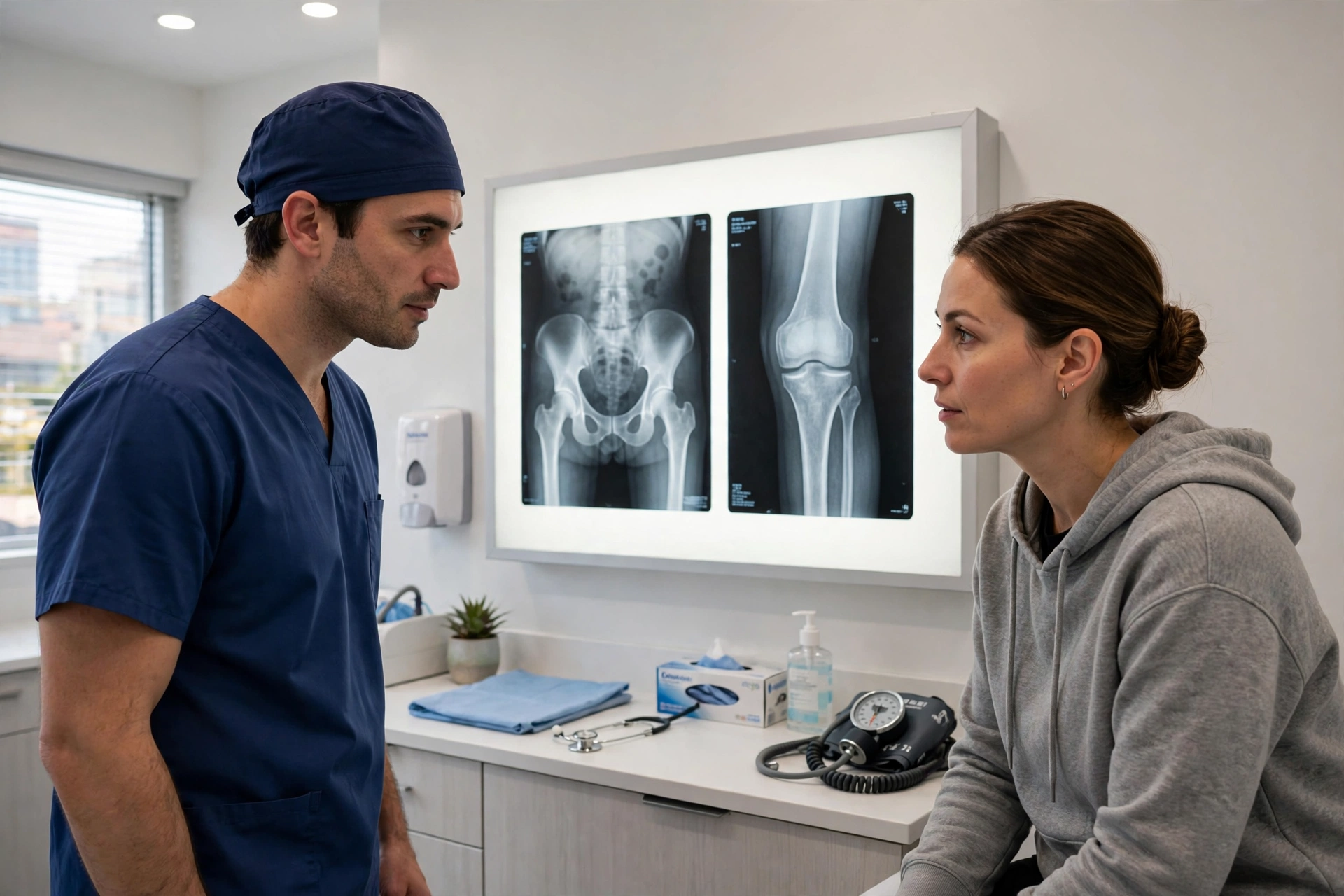
Who Is Peter Thadani MD?
Dr Peter Thadani is a board-certified orthopaedic surgeon with the Illinois Bone and Joint Institute (IBJI), practising in Grayslake and Libertyville, Illinois. He specialises in hip and knee replacements, including revision surgery for replacements that need to be redone, and in the treatment of other hip and knee problems such as arthritis, joint pain, and tendon injuries.
He graduated from the University of Illinois College of Medicine in 1992 and completed his orthopaedic surgery residency at the University of Illinois Hospitals and Clinics. He then undertook fellowship training in adult hip and knee reconstruction and total joint replacement at the Kerlan-Jobe Orthopaedic Clinic — specialist training focused entirely on replacing and rebuilding hip and knee joints.
With more than 30 years of experience, he is affiliated with several hospitals in the Chicago area, including Northwestern Medicine McHenry Hospital, Advocate Condell Medical Center, Northwestern Medicine Lake Forest Hospital, and NorthShore University HealthSystem Evanston Hospital. His practice accepts new patients and offers telehealth appointments.
What a Hip and Knee Surgeon Actually Does
Orthopaedic surgeons who specialise in hips and knees treat the full range of problems in those joints. The most common is osteoarthritis — the gradual wearing away of the cartilage that cushions the joint — which causes pain, stiffness, and loss of movement. They also treat inflammatory arthritis, joint injuries, fractures around the joint, and tendon problems such as hip tendinitis and iliotibial band syndrome.
Surgery is only part of the job. A good joint surgeon spends most of their time on non-surgical care: confirming the diagnosis, trying weight management, physiotherapy, medications, and injections, and only recommending replacement when those measures no longer control the pain or the loss of function. Replacement is a last resort, not a first step.
What Hip and Knee Replacement Involves
In a total hip or knee replacement, the surgeon removes the damaged joint surfaces and replaces them with artificial components — typically metal and medical-grade plastic — designed to restore smooth, pain-free movement. The operation usually takes one to two hours, and most patients are up and walking with support within a day.
Recovery is a process, not an event. Physiotherapy begins quickly and continues for weeks or months; most people see major improvement in the first six to twelve weeks, with continued gains for up to a year. Revision surgery — replacing a joint replacement that has worn out, loosened, or become infected — is more complex, and it is one of Dr Thadani’s areas of specialist expertise.
Modern joint replacements generally last many years, but no implant lasts forever, and outcomes depend on the patient’s age, weight, activity level, and general health. Any surgeon should discuss these factors honestly before you decide.
When to See a Hip and Knee Specialist
Consider a referral if hip or knee pain regularly limits what you can do — walking, climbing stairs, sleeping, or working — despite rest, medication, and physiotherapy. Other warning signs include pain that wakes you at night, stiffness that does not ease with movement, or a joint that gives way or locks.
Your primary care doctor is the usual starting point. They can confirm the diagnosis with an X-ray, arrange initial treatment, and refer you to a specialist when the time is right. For a picture of that first step, see our profile of Dr Peter Elsea, a primary care physician in Massachusetts — the kind of doctor who coordinates this whole process.
How to Prepare for a Consultation
A joint replacement consultation goes better if you arrive prepared. Bring a list of your medications, a note of what treatments you have already tried, and a clear description of what the pain stops you doing. Ask the surgeon how many of these operations they perform each year, what implant they propose and why, what the realistic recovery timeline looks like for someone of your age and health, and what the risks are.
Also ask about the practical side: which hospital the surgery would be in, how long you would stay, what help you will need at home in the first two weeks, and when you can drive again. The answers should be specific to you, not generic.
Choosing the Right Orthopaedic Surgeon
Three things matter most. First, specialisation: a surgeon who focuses on hips and knees, and who performs a high volume of joint replacements, will generally have more experience with difficult cases and complications than a general orthopaedist. Second, credentials: board certification in orthopaedic surgery and fellowship training in joint reconstruction are verifiable markers — Dr Thadani’s are listed on his IBJI profile. Third, communication: the surgeon should explain your options, including not operating, and give you time to decide.
It is also reasonable to seek a second opinion before major surgery. A good surgeon will not be offended; the best ones expect it.
FAQ: Peter Thadani MD
Where does Dr Peter Thadani practise?
He practises with the Illinois Bone and Joint Institute in Grayslake and Libertyville, Illinois. Check his IBJI profile for current locations and contact details.
What does Dr Thadani specialise in?
Hip and knee replacement, including revision surgery, and the treatment of hip and knee conditions such as osteoarthritis, joint pain, and tendon injuries.
How long does a hip or knee replacement last?
Modern implants generally last many years, but lifespan varies with the patient’s age, weight, activity, and health. Your surgeon should discuss realistic expectations for your situation.
Do I need surgery if I have arthritis in my knee?
Not necessarily. Most arthritis is first treated with weight management, physiotherapy, medication, and injections. Surgery is considered when pain and loss of function persist despite those measures.
Final Thoughts
Peter Thadani MD’s career is built on a narrow, deep specialisation: hips and knees, done well, for more than thirty years. If you are facing joint problems, that kind of focus is exactly what you want in a surgeon — but the decision to operate is yours, and it deserves a careful conversation, a second opinion if you want one, and a clear picture of recovery. Choose the surgeon the way you would choose anything important: on verified credentials, honest answers, and how well they listen.
Sources: Dr Thadani’s background is drawn from his Illinois Bone and Joint Institute profile and independent physician directories. Practice details change; verify current information with the practice before making decisions. This article is general information, not medical advice.