


Step off the train in St Petersburg, Russia, and the city greets you with scale: wide avenues, pastel palaces, and canals that catch the northern light. Founded on marshland at the mouth of the Neva River, this is a city built deliberately to impress, and three centuries later it still does. Before you plan, check the current entry rules and your government’s travel advice, as conditions for visiting Russia change and can affect visas, flights and insurance. With the practicalities settled, the reward is one of Europe’s great city breaks: world-class museums, extraordinary churches, and a waterfront made for slow wandering.
The Hermitage and the Winter Palace
No first visit is complete without the Hermitage. Housed largely in the Winter Palace on Palace Square, it is one of the largest museums in the world, and its state rooms are almost as astonishing as the art inside. Founded in the 18th century, the collection spans ancient Egypt to European masters such as Leonardo da Vinci and Rembrandt. Do not try to see everything: pick two or three departments — the Italian Renaissance rooms, the Impressionists, and the palace interiors themselves are a strong trio — and give yourself a full morning. Arriving early and booking tickets in advance, where that option is available, makes the experience far calmer.
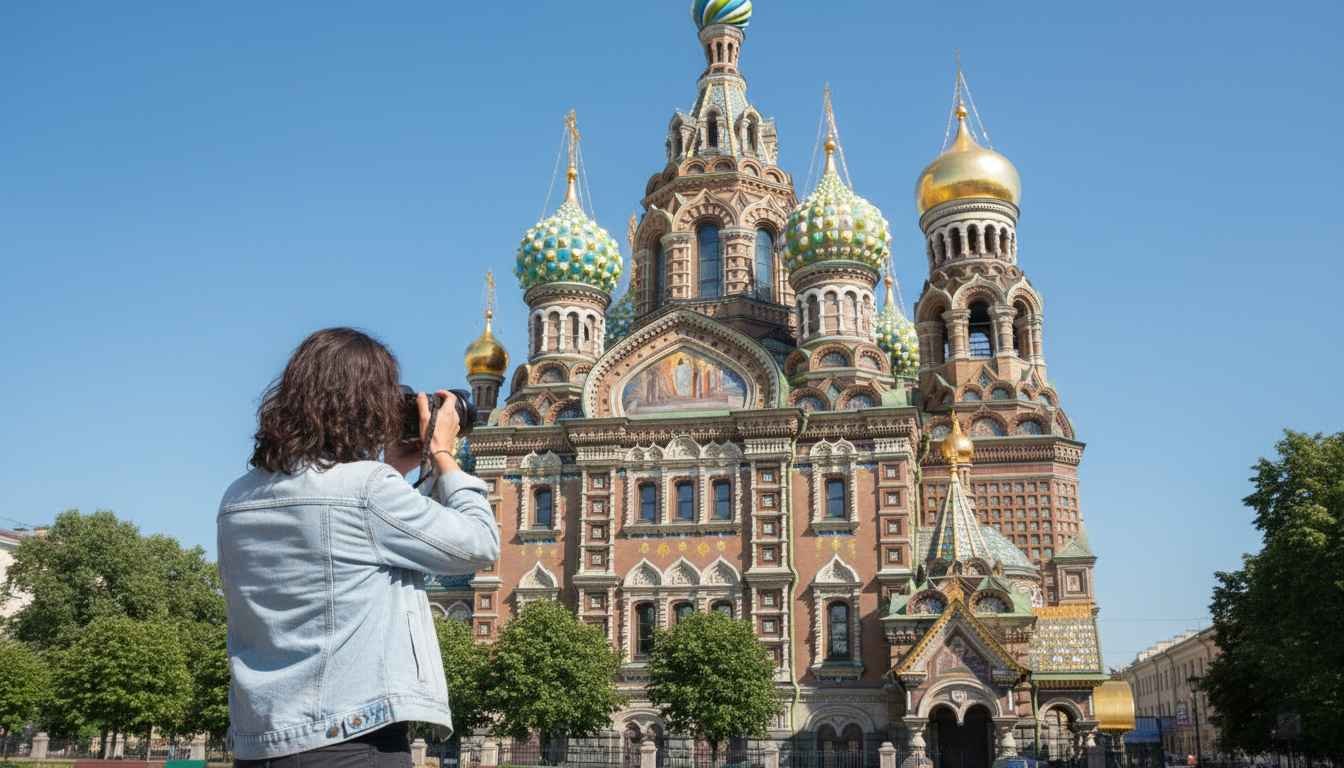
Church of the Savior on Spilled Blood
A short walk from Nevsky Prospect, the Church of the Savior on Spilled Blood stops most visitors in their tracks. Built on the spot where Emperor Alexander II was assassinated in 1881, its swirling onion domes and mosaic-covered interior are unlike anything else in the city. Step inside and the walls and ceilings unfold as a vast mosaic picture-book of biblical scenes. It is smaller than a cathedral, so an hour here is plenty, and it pairs naturally with a stroll through the neighbouring Mikhailovsky Garden when the weather is kind.
Peter and Paul Fortress
Cross to Zayachy Island for the Peter and Paul Fortress, the city’s original citadel and its oldest landmark. Inside the walls, the Peter and Paul Cathedral holds the tombs of the Romanov tsars, its gilded spire visible across the river. Walk the fortress ramparts for sweeping views over the Neva, and keep an ear out for the midday cannon, a daily tradition. The fortress grounds also hold smaller museums and exhibitions, so it is easy to spend a relaxed couple of hours here without feeling you are ticking boxes.
The Canals and the Neva
St Petersburg is often called the Venice of the North, and the nickname earns its keep from the water. A boat trip along the canals and the Neva gives you a completely different view of the city: palace facades, low bridges and church domes sliding past at a gentle pace. In summer, evening cruises catch the long northern twilight. If you prefer to stay on land, walk the embankments in the early morning, when the bridges are quiet and the light is at its best. The famous Palace Bridge and Trinity Bridge are landmarks in their own right, and the city’s drawbridges opening at night in summer is a spectacle worth planning an evening around.
Nevsky Prospect, the Russian Museum and the Summer Garden
Nevsky Prospect is the city’s main artery, lined with shops, cafés, theatres and grand 18th- and 19th-century buildings. It is the natural spine for a walking day: start at Palace Square, drift east past bookshops and coffee houses, and detour to the Russian Museum for the finest collection of Russian art anywhere, from medieval icons to 20th-century avant-garde. Nearby, the Summer Garden offers shaded paths, marble statues and a quieter pace — a welcome pause between museums. For food, Nevsky Prospect and its side streets serve everything from hearty Russian classics such as borscht and dumplings to international restaurants, so there is no need to venture far for a good meal.
When to Visit and How to Get Around
Late spring and summer are the most popular months, and for good reason: the White Nights season brings near-continuous daylight, festivals and open-air life along the rivers. It is also the busiest and most expensive time, so book accommodation early. Autumn brings golden parks and thinner crowds, while winter, though cold and dark, has its own appeal in snow-dusted palaces and far quieter museums. The city centre is best explored on foot, and the metro — itself worth a look for its deep, decorated stations — covers longer hops efficiently. If you are considering a wider European trip after Russia, see our guide to the best places in Europe to visit for ideas on pairing the city with other destinations.
FAQ: Visiting St Petersburg
How many days do you need in St Petersburg?
Three full days cover the Hermitage, the Church of the Savior on Spilled Blood, the fortress and a canal trip at a comfortable pace. Add a fourth day for Peterhof or a slower museum day.
What is the best time to visit?
Late May to July offers White Nights and the liveliest atmosphere, while September brings mild weather and fewer crowds. Winter suits travellers who prefer quiet museums and lower prices and do not mind the cold.
Is English widely spoken?
English is spoken in major hotels and some museums, but less so in shops and restaurants away from the centre. Learning the Cyrillic alphabet and a few basic phrases makes signs, menus and metro maps much easier to read.
Final Thoughts
St Petersburg rewards travellers who slow down. See the great museums, by all means, but leave time for a canal-side walk, a long coffee on Nevsky Prospect, and an evening watching the bridges rise. That balance — grandeur and everyday life side by side — is what makes the city linger in the memory long after the trip ends.