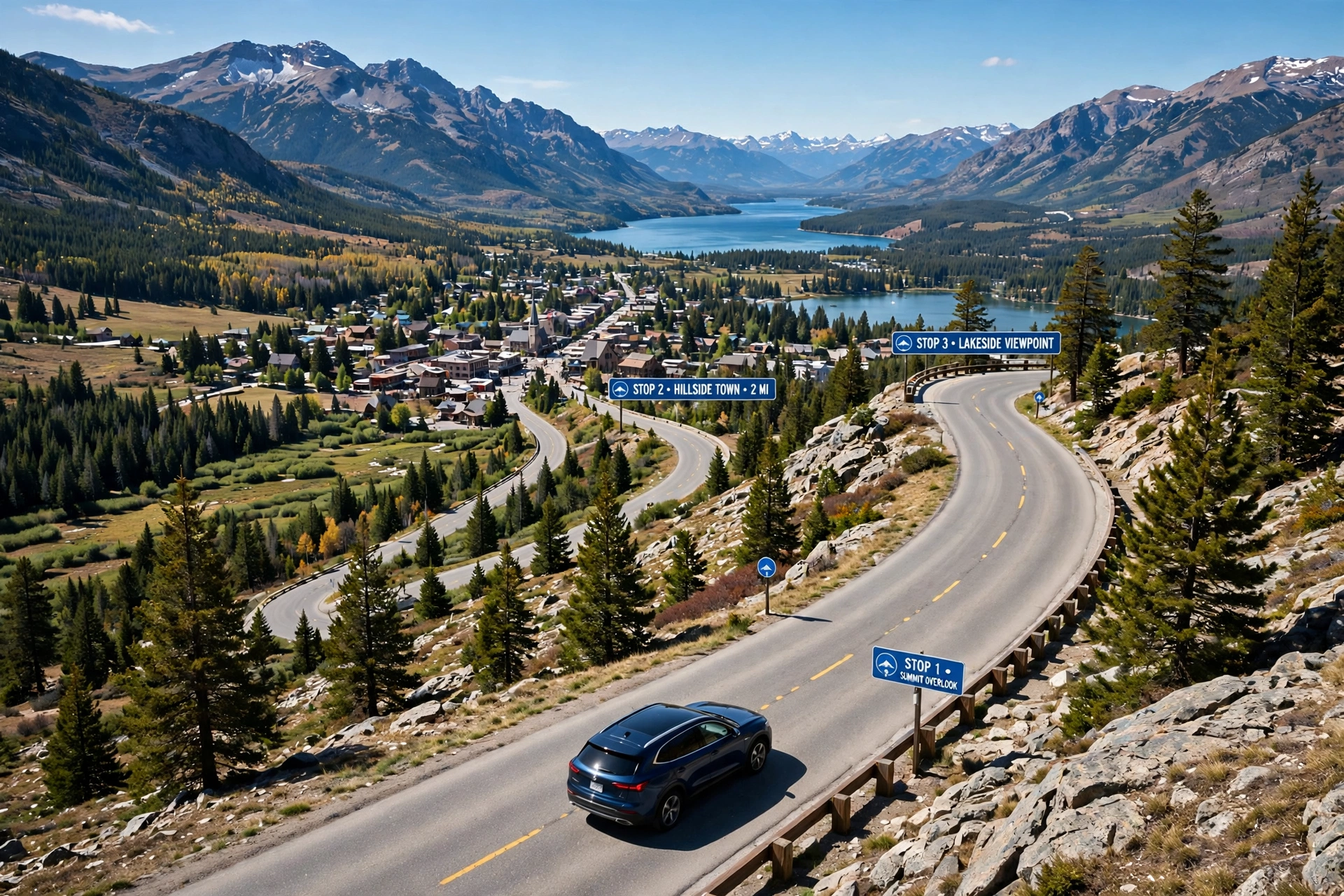


British Columbia is too big, and too varied, to see in one trip — and that is exactly the point. In a single province you can walk a city seawall in the morning, taste wine in a dry interior valley by afternoon, and watch the Pacific crash against a wild west-coast beach the next day. These ten places are the strongest starting points, chosen because each one offers something the others do not.

1. Vancouver
Vancouver pairs a working, multicultural city with immediate access to mountains and ocean. Walk or cycle the Stanley Park seawall, browse Granville Island’s public market, and explore neighbourhoods from historic Gastown to the West End’s beaches. It is the best base for a first BC trip, and the easiest place to combine city culture with a day trip to the mountains or the coast.
2. Victoria
On Vancouver Island, Victoria feels calmer and more historic than Vancouver. Its Inner Harbour, British-colonial architecture and the Royal BC Museum make it an easy walking city, while Butchart Gardens, a short drive away, is worth half a day in any season. Pair Victoria with a ferry crossing and you get one of the most scenic arrivals in Canada.
3. Whistler
Whistler is famous for winter skiing, but it is a year-round mountain town: hiking, mountain biking, ziplining and alpine lakes fill the summer, and the pedestrian village offers restaurants and shops whatever the season. If you only have time for one mountain destination, Whistler’s range of activities and easy access from Vancouver make it the practical choice.
4. Kelowna and the Okanagan Valley
The Okanagan Valley around Kelowna is BC’s wine country, with vineyards, orchards and warm lake beaches. Spend a day visiting wineries, cycling lakeside paths or swimming in Okanagan Lake, and you will understand why this dry, sunny valley feels like a different province from the rainy coast. Summer is the peak season; early fall brings harvest colour and quieter tasting rooms.
5. Tofino
Tofino, on Vancouver Island’s wild west coast, is BC at its most dramatic: long surf beaches, rainforest trails, hot springs reachable by boat or floatplane, and storm-watching in winter. It is a longer journey than the other entries here, which is part of its appeal — come for two or three nights, not a day trip, and plan for rain as well as sun.
6. Squamish
Halfway between Vancouver and Whistler, Squamish is an outdoor town in its own right, with rock climbing on the Stawamus Chief, kiteboarding on Howe Sound, and the Sea to Sky Gondola for sweeping views without a strenuous hike. It is an ideal stop on a Vancouver-to-Whistler drive, or a base if you prefer a smaller town to Whistler Village.
7. Revelstoke
Revelstoke, in the Columbia Mountains, is a railway town turned mountain playground: deep-snow skiing in winter, mountain biking and hiking in summer, and a compact, unpretentious downtown. It suits travellers who want big mountains without resort-town polish, and it pairs well with a drive through the Rogers Pass.
8. Nelson
Nelson, on Kootenay Lake, is known for its restored heritage buildings, arts community and access to lakes and hot springs. It is quieter and more local in feel than the big resort towns, and it rewards slow travel: a lakeside walk, a heritage main street, and a day trip to a nearby hot spring or mountain lake.
9. Yoho National Park
Yoho, just over the Rockies from Lake Louise, holds some of BC’s most striking mountain scenery: Emerald Lake, Takakkaw Falls and high alpine trails, with far fewer crowds than its famous Alberta neighbours. It is best explored by car with short hikes, and it is an essential stop on any Rockies road trip that crosses into BC.
10. Haida Gwaii
Haida Gwaii, an archipelago off BC’s north coast, is the most remote entry on this list and the most distinctive. Its Haida heritage sites, misty beaches and old-growth forest offer a cultural and natural experience unlike anywhere else in the province. Reaching it takes a ferry or flight and advance planning, but for travellers seeking depth over convenience, it is unforgettable.
Planning Your Trip
Distances in BC are large, so do not try to cover all ten places in one visit. A first trip might combine Vancouver, Victoria and Whistler; a second could focus on the Okanagan and the Kootenays; Tofino and Haida Gwaii each deserve their own journey. Summer offers the widest access to trails and roads, while winter is best for skiing and storm-watching. For a wider Canadian context, see our guide to the 15 best places to visit in Canada.
FAQ
What is the best time to visit British Columbia? Summer is best for hiking, road trips and coastal towns; winter is best for skiing in Whistler and Revelstoke. Spring and fall are quieter, with good city sightseeing and fewer crowds.
Do you need a car in British Columbia? For Vancouver and Victoria you can manage without one, but a car is essential for the Okanagan, the Kootenays, Yoho and most rural areas.
Is British Columbia good for families? Yes. Vancouver’s parks and beaches, Victoria’s museums and gardens, and Whistler’s summer activities all work well for families, with options for every age.
Final Thoughts
British Columbia does not ask you to choose between city, mountains and ocean — it asks you to choose how much time you have. Pick one region, travel it properly, and leave the rest for a return trip: this is a province that rewards coming back.