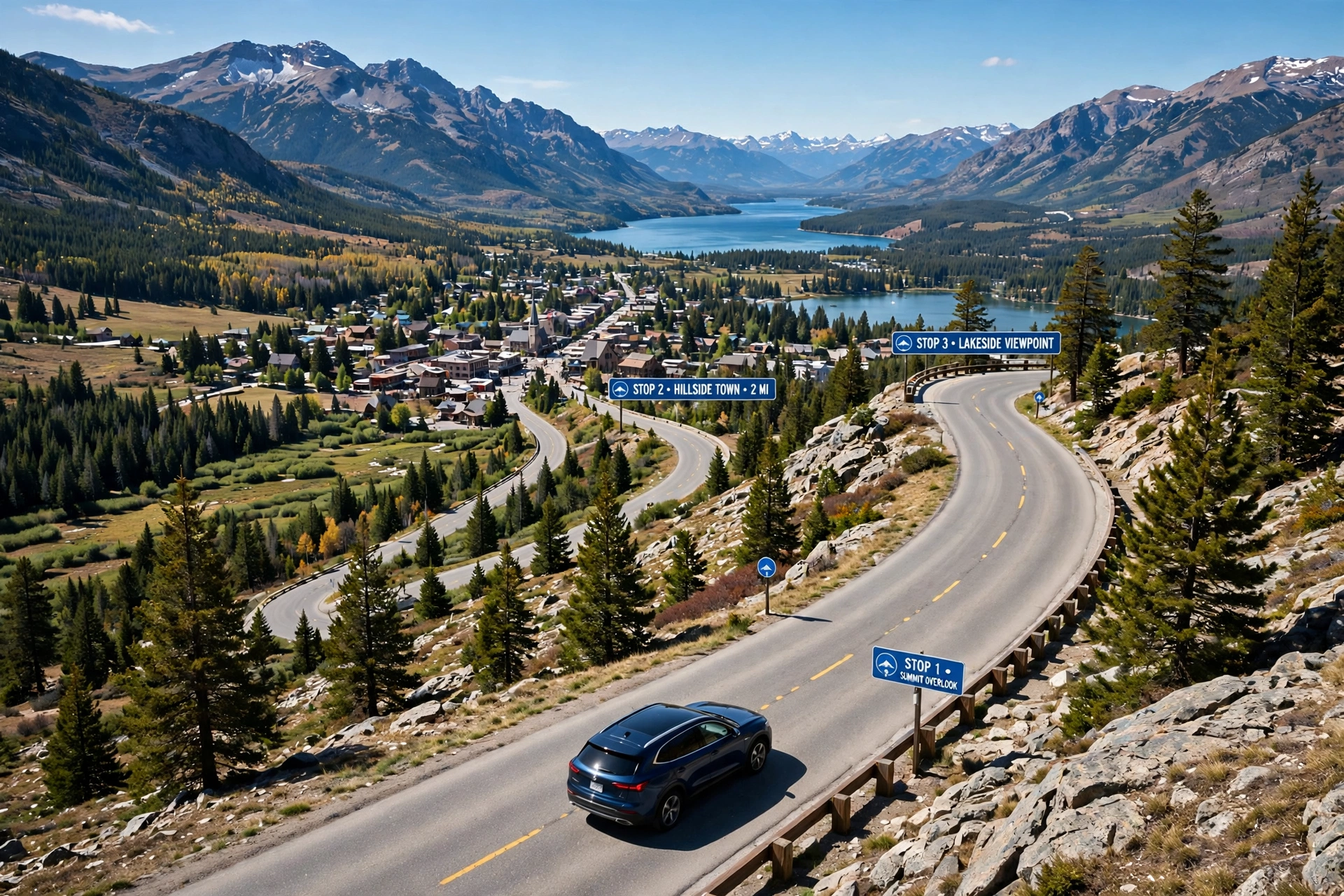


Virginia packs an unusual amount of American history, mountain scenery and coastline into one state. You can walk an 18th-century colonial capital in the morning, hike a Blue Ridge overlook in the afternoon, and eat seafood by the ocean that evening — all without leaving the state. These ten places cover that range, and together they make a strong first itinerary.

1. Colonial Williamsburg
Colonial Williamsburg is the largest living-history museum of its kind in the United States: costumed interpreters, working tradespeople and restored 18th-century buildings recreate the capital of colonial Virginia. Allow a full day, wear comfortable shoes, and visit the artisan workshops as well as the main street — the blacksmith, printer and milliner explain daily life better than any plaque.
2. Monticello
Monticello, Thomas Jefferson’s hilltop home near Charlottesville, is both an architectural landmark and a window into early American life, including the lives of the enslaved people who built and maintained it. A guided house tour plus the gardens and the visitor centre give a fuller, more honest picture than the house alone, so plan at least half a day.
3. Shenandoah National Park
Shenandoah National Park protects a long stretch of the Blue Ridge Mountains, crossed by the scenic Skyline Drive and the Appalachian Trail. Short overlook stops work for a drive-through visit, while longer hikes lead to waterfalls and quiet forest. Fall is the busiest season for foliage; spring brings wildflowers and fewer crowds.
4. Virginia Beach
Virginia Beach is Virginia’s classic seaside city: a long boardwalk, wide sandy beaches, a lively oceanfront and family attractions, plus quieter stretches at the north end and nearby state parks for nature lovers. It is the easiest place in the state for a beach holiday, and it pairs well with a Williamsburg history trip. For more detail, see our guide to the top places to visit in Virginia Beach.
5. Richmond
Richmond, the state capital, combines Civil War and American history with a modern food and arts scene. Walk the Canal Walk, visit the Virginia Museum of Fine Arts and the historic St. John’s Church, then explore the restaurant-filled neighbourhoods of Carytown and the Fan. Richmond is often the surprise favourite of a Virginia trip.
6. Old Town Alexandria
Just across the Potomac from Washington, D.C., Old Town Alexandria offers cobblestone streets, colonial-era houses, a busy waterfront and excellent restaurants in a very walkable grid. It works as a day trip from D.C. or as a base for northern Virginia, and its waterfront sunsets are among the best in the region.
7. Luray Caverns
Luray Caverns, in the Shenandoah Valley, is the largest caverns system in the eastern United States, with cathedral-sized rooms, towering stalactites and an underground organ that plays music through the rock formations. It is an easy, weather-proof stop on a Shenandoah itinerary and a favourite with families.
8. The Blue Ridge Parkway
The Blue Ridge Parkway runs along Virginia’s western mountains, linking overlooks, hiking trails, visitor centres and small mountain towns. You do not need to drive the whole route: pick a section near Roanoke or the Peaks of Otter, stop at overlooks, and take one short trail to understand why this road is a destination in itself.
9. Arlington National Cemetery
Arlington National Cemetery, across the river from D.C., is a place of national remembrance, including the Tomb of the Unknown Soldier and the graves of presidents and service members. Visit with respect, allow time for the changing-of-the-guard ceremony, and combine it with nearby memorials for a full day of reflection.
10. Chincoteague Island
Chincoteague Island, on Virginia’s Eastern Shore, is a quieter coastal alternative to Virginia Beach: a small fishing town, wild ponies on neighbouring Assateague Island, and a national wildlife refuge known for birdwatching and uncrowded beaches. It is best for travellers who prefer nature and small-town pace over boardwalk crowds.
Planning Your Trip
Virginia’s regions are distinct, so group your stops: Williamsburg, Richmond and Virginia Beach form an eastern triangle; Charlottesville, Shenandoah and the Blue Ridge Parkway form a mountain route; Alexandria and Arlington suit a northern Virginia add-on. Spring and fall offer the most comfortable weather for walking and hiking, while summer is peak beach season. Note that the Smithsonian museums are in Washington, D.C., not Virginia — they are an easy day trip from Alexandria or Arlington, but they are not Virginia attractions.
FAQ
How many days do you need in Virginia? Five to seven days covers the highlights: two days for Williamsburg and the coast, two for Charlottesville and Shenandoah, and a day or two for Richmond or northern Virginia.
What is the best time to visit Virginia? Spring and fall are best for history walks and mountain hiking; summer is best for Virginia Beach and the Eastern Shore.
Is Virginia good for families? Yes. Williamsburg, Virginia Beach, Luray Caverns and Shenandoah’s easy trails are all strong family stops.
Final Thoughts
Virginia’s appeal is its range: history you can walk through, mountains you can hike, and a coastline you can relax on, all within a few hours’ drive. Start with the places on this list, then let the region you love most shape your next trip back.