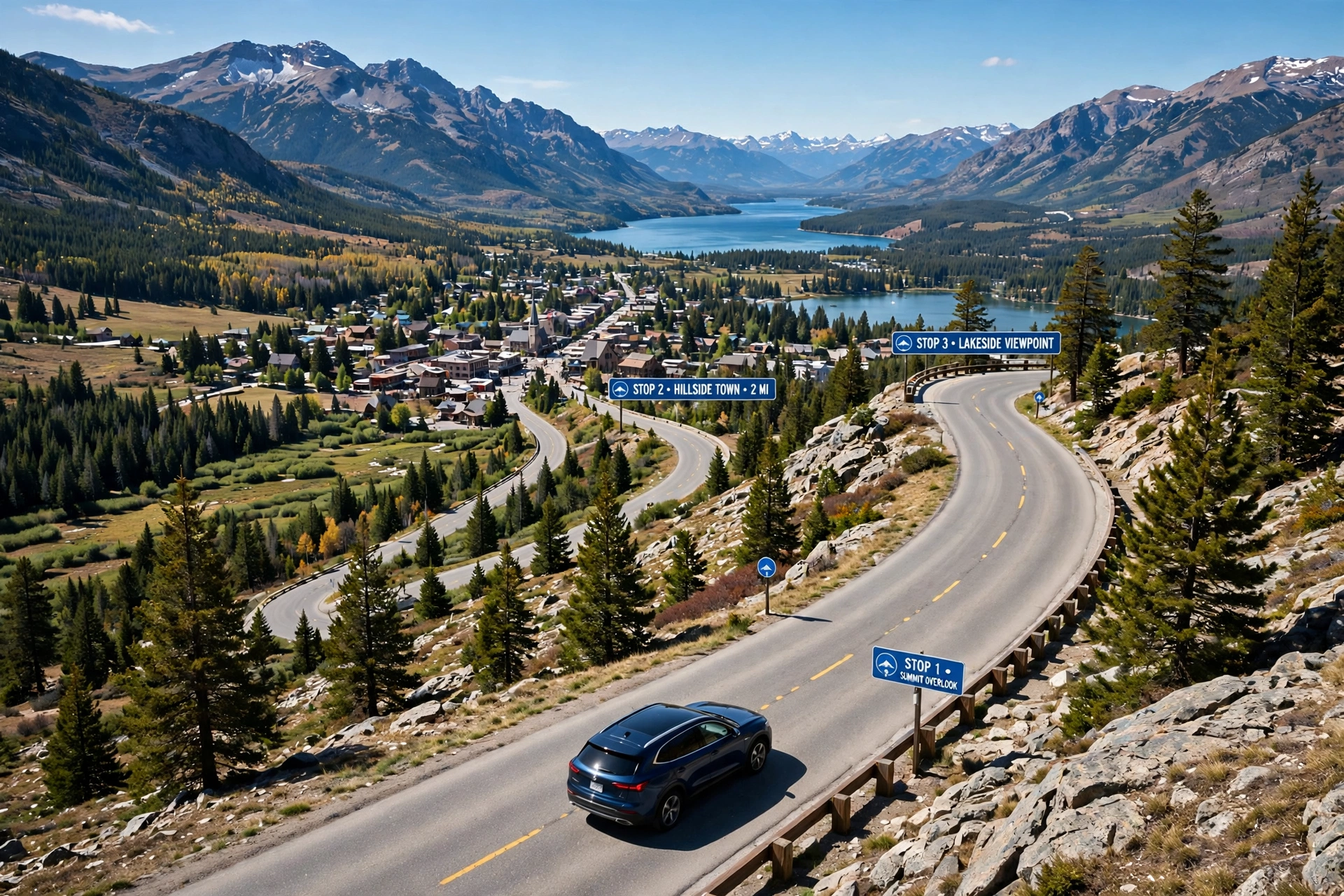


Stand at Tunnel View as Yosemite Valley opens in front of you — El Capitan on one side, Bridalveil Fall on the other, Half Dome rising at the far end — and you understand why this park draws visitors from around the world. Yosemite is not one sight but a collection of valleys, viewpoints, groves and high-country meadows, each rewarding a different kind of day. These are the places to prioritise.

Yosemite Valley: The Heart of the Park
Yosemite Valley is where most first-time visitors spend their first day, and rightly so. It holds El Capitan, Half Dome, Yosemite Falls and Bridalveil Fall, plus the Ansel Adams Gallery and the Yosemite Museum for context on the park’s art and human history. Walk the valley floor trails for the best views without the crowds of the roadside viewpoints, and start early: the valley is busiest from late morning onwards.
Glacier Point: The Classic Panorama
Glacier Point offers the park’s most famous panorama — the full sweep of Yosemite Valley, Half Dome, Vernal Fall and the High Sierra in a single view. It is reached by road in season, so check seasonal access before you go, as the road closes in winter. Sunset here is spectacular, but it is also the busiest time; a late-afternoon visit gives you strong light with slightly fewer people.
Mariposa Grove of Giant Sequoias
Mariposa Grove, near the park’s south entrance, is home to hundreds of mature giant sequoias, including the Grizzly Giant, one of the largest and oldest living trees on Earth. A network of trails lets you choose a short, easy walk or a longer climb through the grove, and the quiet among these trees is a welcome contrast to the valley’s crowds. Go early in the day for the calmest experience.
Tuolumne Meadows: The High Country
Tuolumne Meadows, in the park’s high country along Tioga Road, feels like a different park: open alpine meadows, granite domes, wildflowers in summer and cooler temperatures. It is ideal for hikers who want solitude and for visitors who want to see Yosemite beyond the valley. The high country is seasonal, so check road access and conditions before planning a trip here.
Yosemite Falls and Bridalveil Fall
Yosemite Falls, one of the tallest waterfalls in North America, is at its most powerful in late spring when snowmelt feeds it; by late summer it may slow to a trickle, so time your visit if waterfalls are a priority. Bridalveil Fall, near the valley’s west end, flows more reliably and is an easy short walk from the road. Seeing both gives you a sense of how much the park changes with the seasons.
Tenaya Lake and Tioga Road
Tioga Road, the high-country route across the park, is a destination in itself, with granite domes, alpine lakes and trailheads along its length. Tenaya Lake, with its clear water and sandy shore, is a favourite stop for a picnic, a swim on a warm day or a short lakeside walk. Drive it slowly, stop often, and treat the journey as part of the visit rather than a shortcut.
Planning Your Visit
Summer is the most popular season and the most crowded, especially in the valley; spring offers waterfalls and wildflowers, while fall brings quieter trails and golden light. Book lodging well ahead, whether you stay in the park or in a gateway town, and check current conditions, road closures and any reservation requirements before you travel, as these change by season. For a wider California trip, our guide to places to visit in the fall in California pairs well with a Yosemite visit, and our guide to the top nature places to visit in the US puts Yosemite in a national context.
Wildlife and Safety
Yosemite’s wildlife — black bears, mule deer and many bird species — is part of the experience, but it must be watched from a distance. Store food properly, never approach or feed animals, and follow park guidance on bear safety and trail conditions. Staying on marked trails protects both you and the fragile alpine environment.
FAQ
How many days do you need in Yosemite? Two days covers the valley, Glacier Point and Mariposa Grove; three or four days lets you add Tuolumne Meadows and longer hikes at a relaxed pace.
When is the best time to visit Yosemite? Late spring is best for waterfalls; summer is best for high-country access; fall is quieter with pleasant hiking weather. Winter offers a peaceful, snowy valley but limited road access.
Is Yosemite good for families? Yes. The valley’s easy trails, the museum, the grove walks and the ranger programmes all work well for children, with options for every fitness level.
Final Thoughts
Yosemite rewards visitors who look beyond the famous viewpoints: a quiet grove at dawn, a high-country lake in the afternoon, a valley trail after the tour buses leave. Plan for the seasons, start early, and give yourself time to simply stand and look — that is what this park is for.